
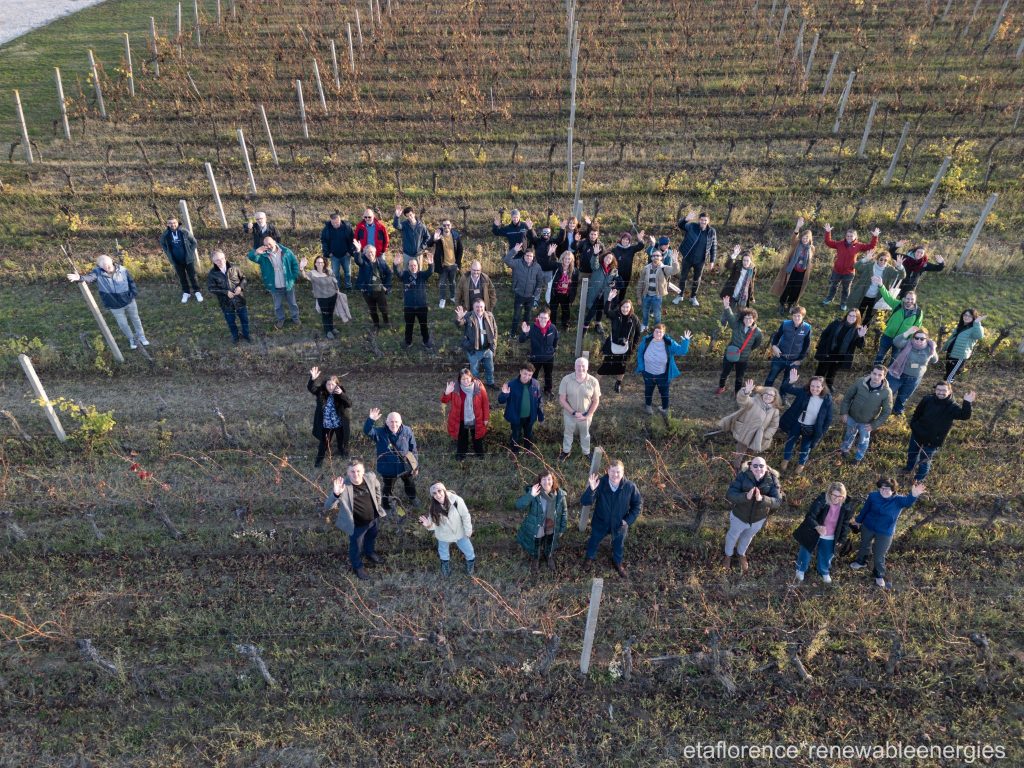
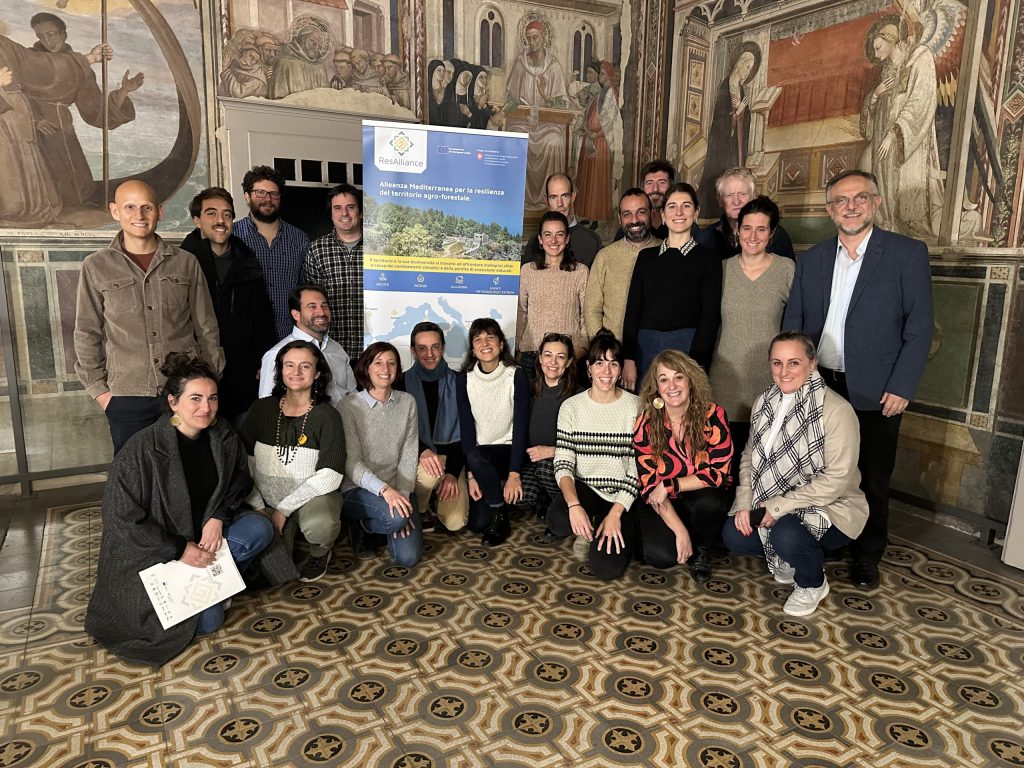
After three years of collaboration, knowledge exchange, and on-the-ground action, the ResAlliance project concludes its mission to strengthen landscape resilience in Mediterranean agriculture and forestry. Bringing together practitioners, researchers, public authorities, and local communities, the project has created a lasting network that will continue to support climate-resilient land management long after the project’s end.
LandLabs: connecting local realities with shared solutions
At the heart of ResAlliance’s work stand the five LandLabs—regional hubs established in the first year of the project in Portugal, Spain (Catalonia), Italy (Sardinia), Greece (Peloponnese), and Cyprus.
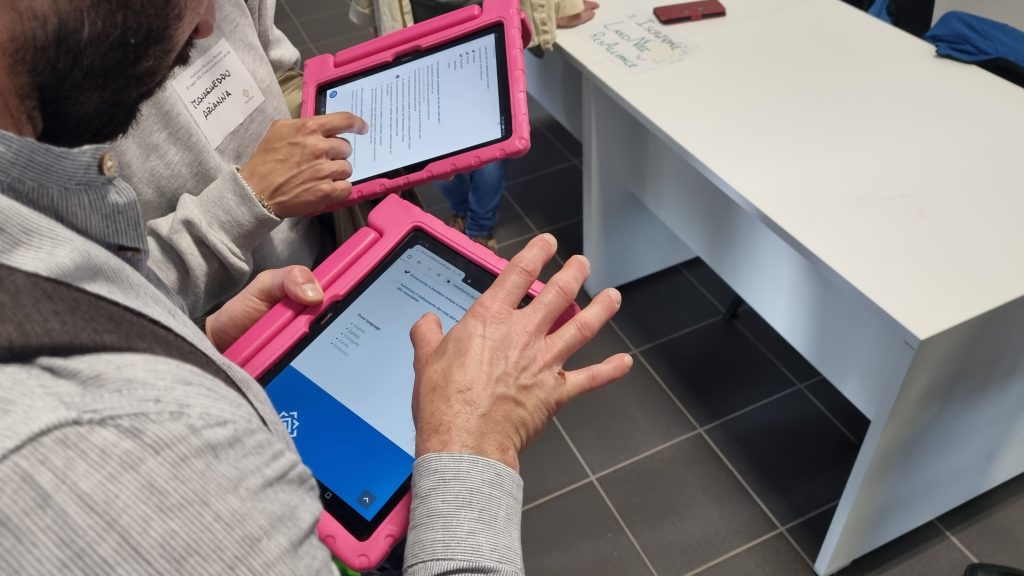
These LandLabs functioned as innovation spaces where practitioners, land managers, and experts met to identify challenges, test solutions, and exchange experiences. Over three years, the LandLabs delivered a structured programme of activities:
• LandLab launch events
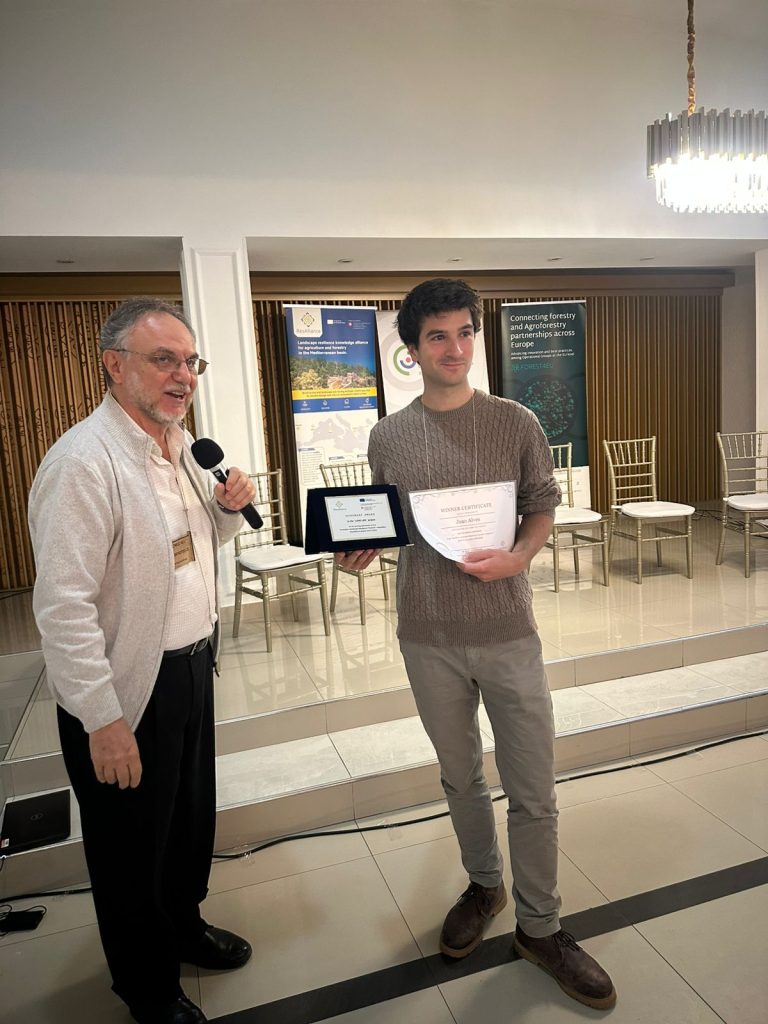
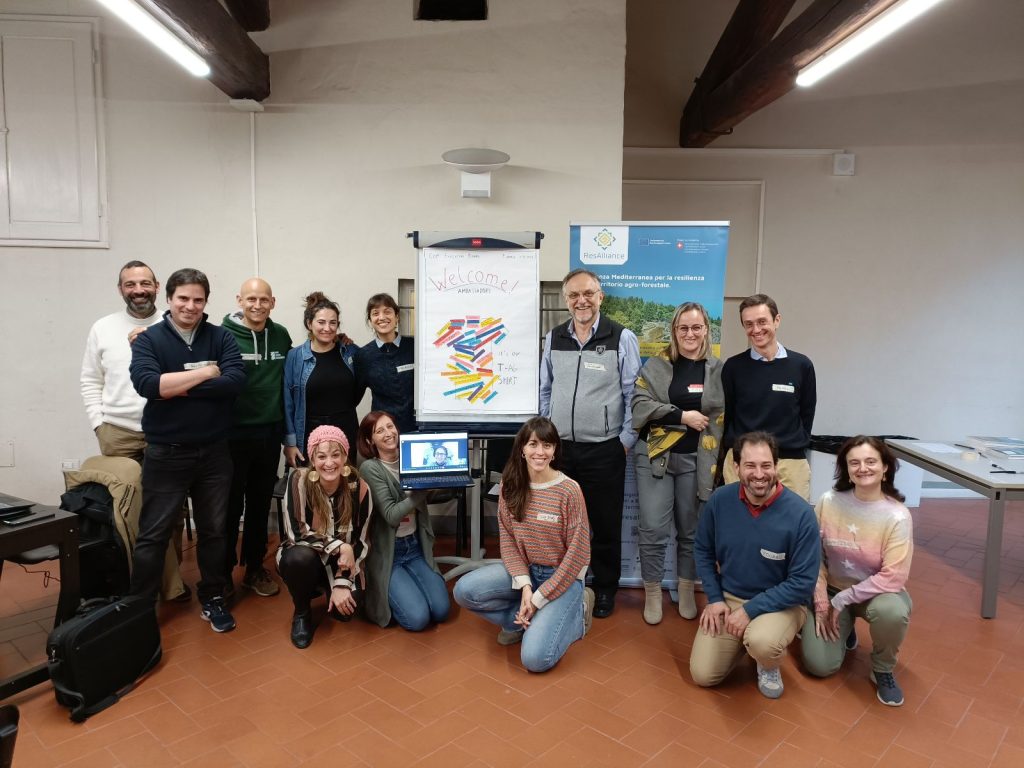
Each LandLab kicked off with a launch event, bringing regional stakeholders together to introduce the project, map local needs, and gather existing good practices in agriculture and forestry.
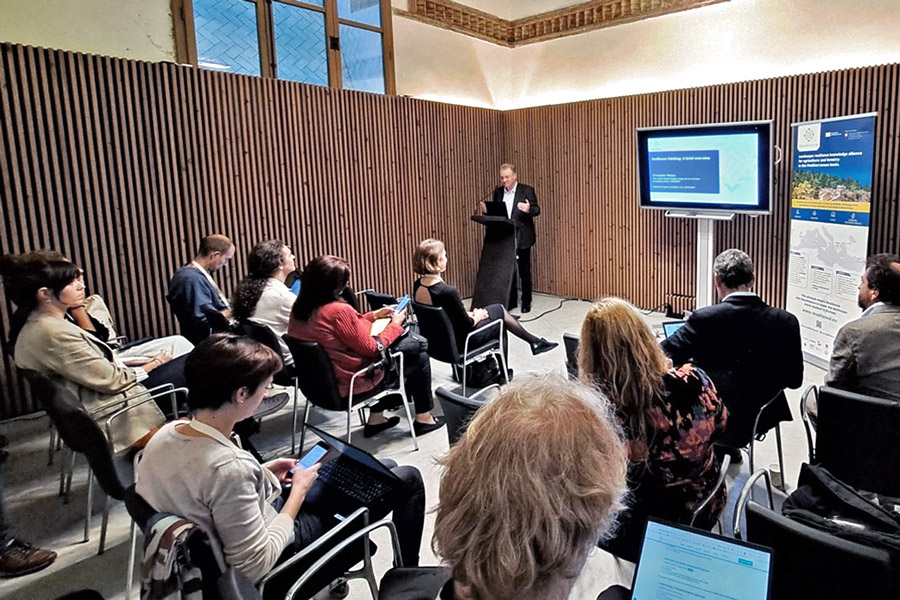
• Landscape resilience workshops
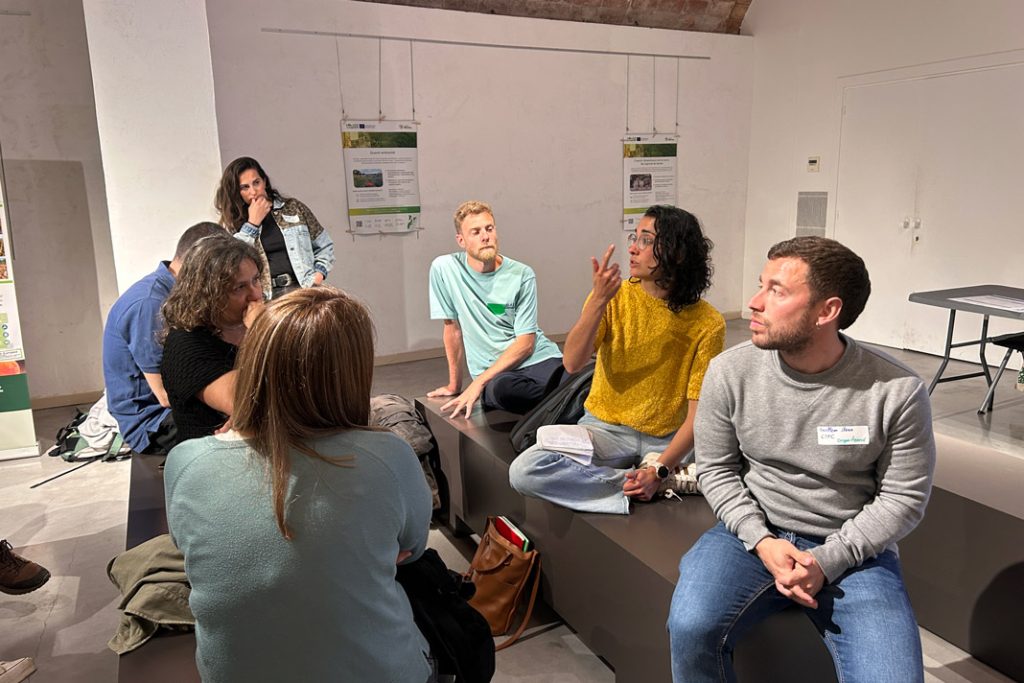
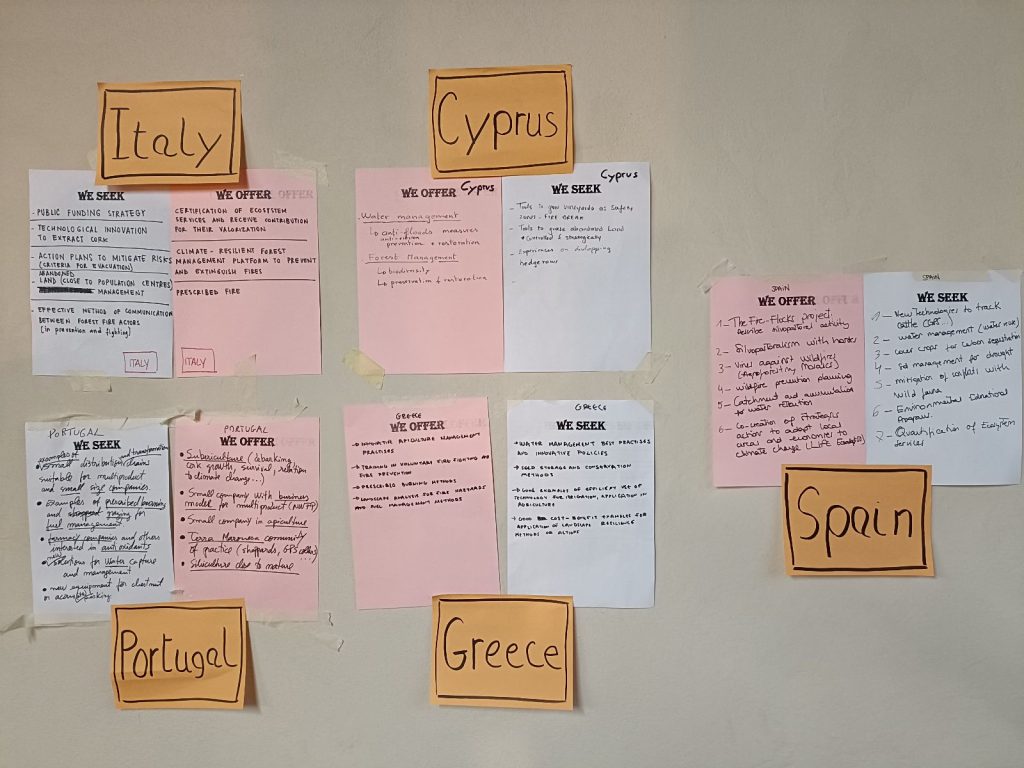
These hands-on workshops enabled cross-regional knowledge transfer, where experts travelled between LandLabs to present successful practices—from prescribed silvopastoralism to water-saving techniques and agroforestry approaches.Participants explored how these solutions could be adapted to their own landscapes, creating the foundation for shared learning across Mediterranean regions.
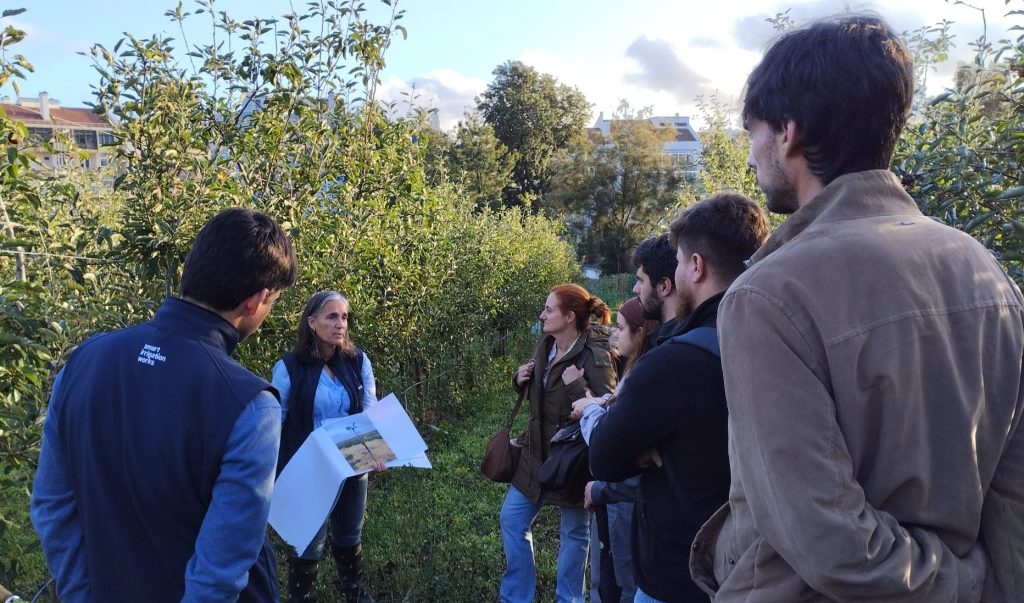
• Showrooms and field visits
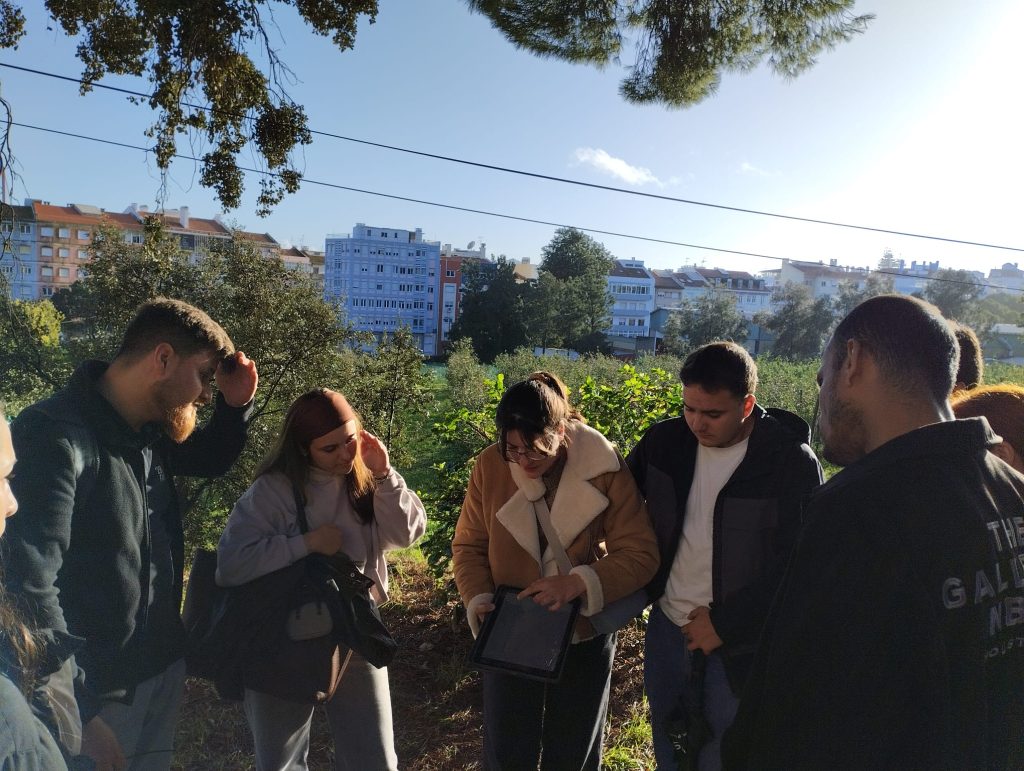
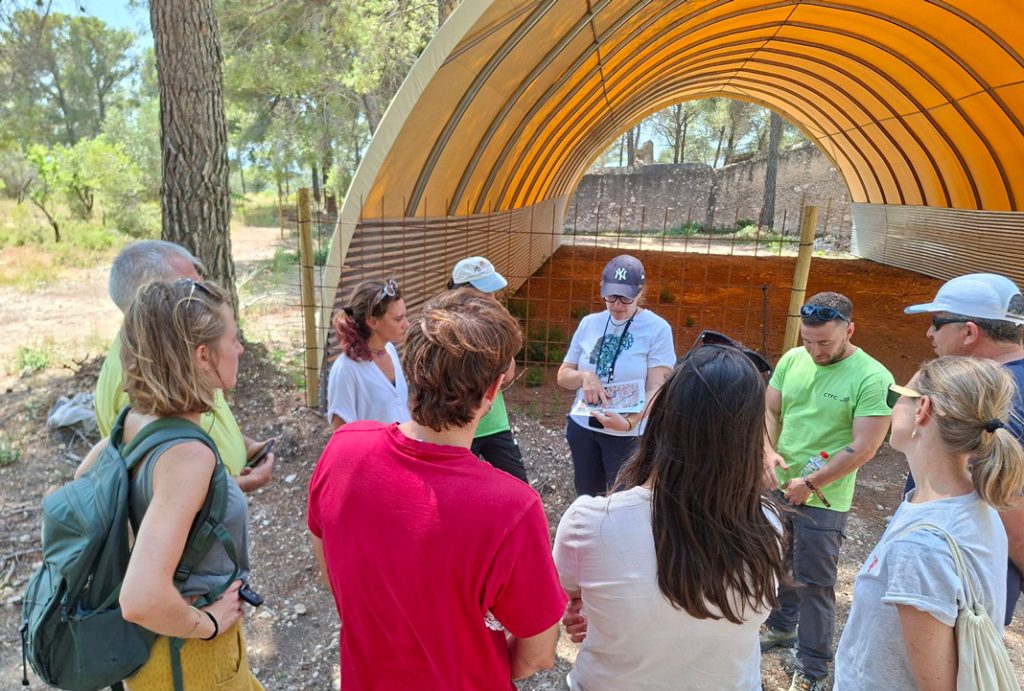
Practical demonstrations and site visits showcased concrete examples of resilient land management, helping practitioners observe the implementation of techniques in real conditions.These events strengthened trust, built capacity, and supported the emergence of an active community of practice within each LandLab.

LandNet: a Mediterranean community of practice
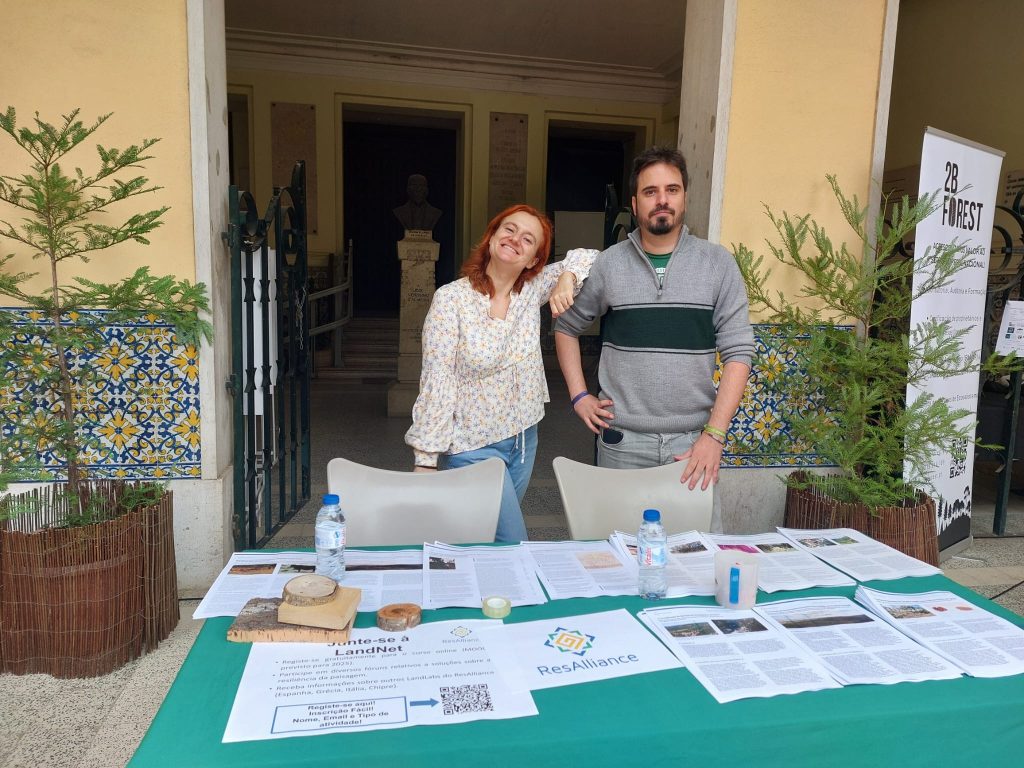
ResAlliance also established the LandNet, a Europe-wide network uniting practitioners from across the Mediterranean basin.
LandNet members actively contributed to the project through knowledge-sharing and discussions, using surveys, events, and exchanges to identify needs, barriers, and innovation opportunities in climate-affected agricultural and forestry systems. They also helped build a shared collection of good practices, as ResAlliance’s call for innovators gathered numerous examples from across Europe, enriching the project’s knowledge base. By connecting local and regional initiatives, LandNet fostered a growing practitioner community, creating a larger platform where experiences flow across borders and complement, as well as amplify, the work of the LandLabs.
Delivering and sharing knowledge: factsheets, publications and resources
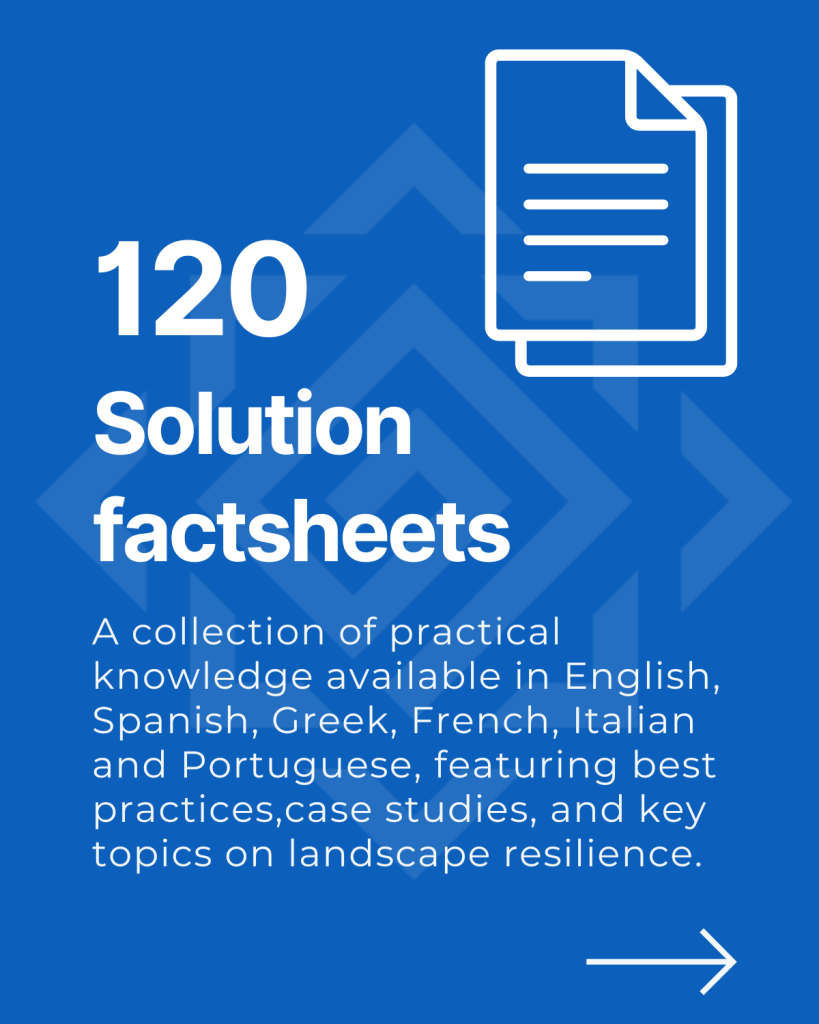
Over the course of the project, ResAlliance produced a substantial library of practice-oriented materials designed to support decision-making and knowledge transfer. These include a comprehensive collection of factsheets presenting practical solutions, methodological insights, and case studies; research abstracts and publications summarizing scientific evidence and real-world applications;
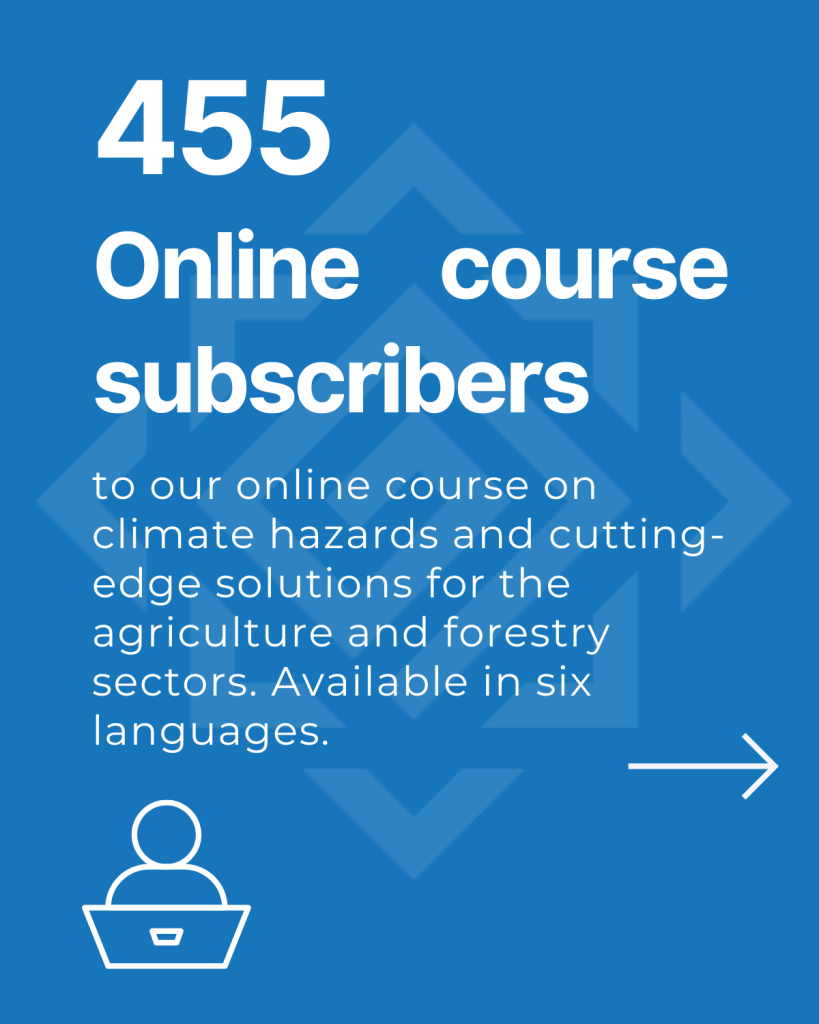
educational resources, including our online course on landscape resilience.
All resources have been made publicly available here and inside the EU-FarmBook platform.
Impact at a glance
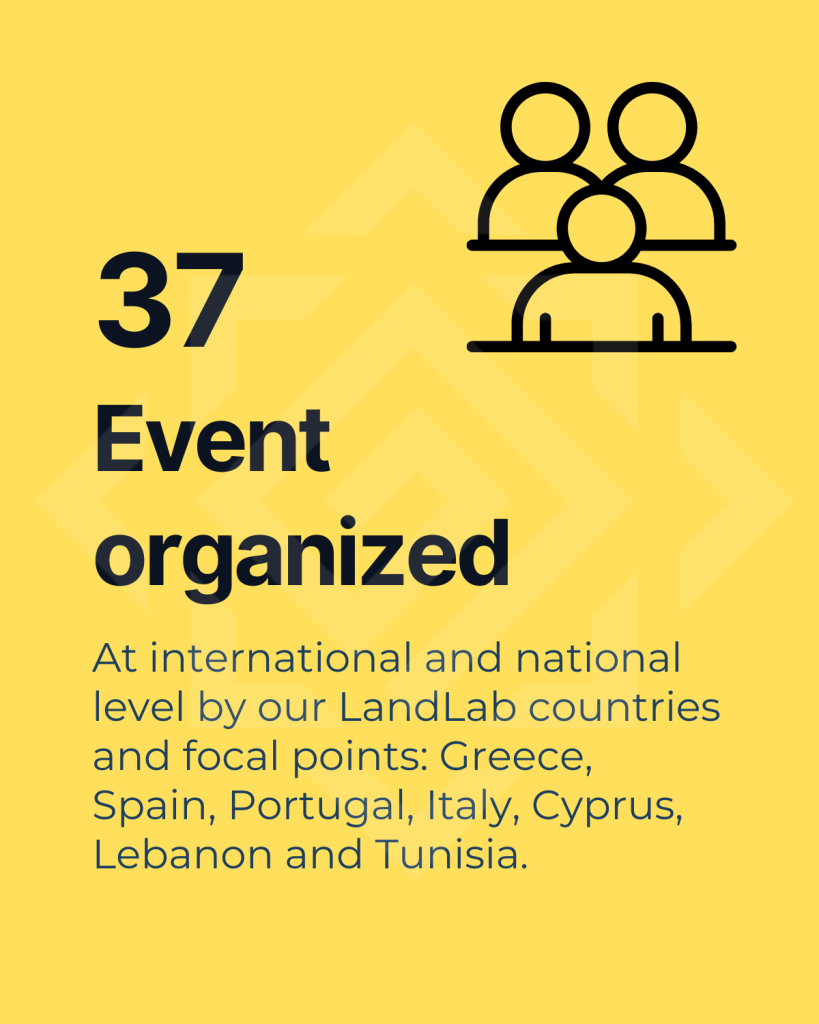
The following infographic highlights the key results and impact of the ResAlliance project, showcasing how collaboration, knowledge-sharing, and local initiatives have strengthened resilience across Mediterranean agricultural and forestry landscapes. It provides a visual summary of the networks, practices, and outcomes achieved through the collective efforts of all partners and practitioners involved.


A lasting community
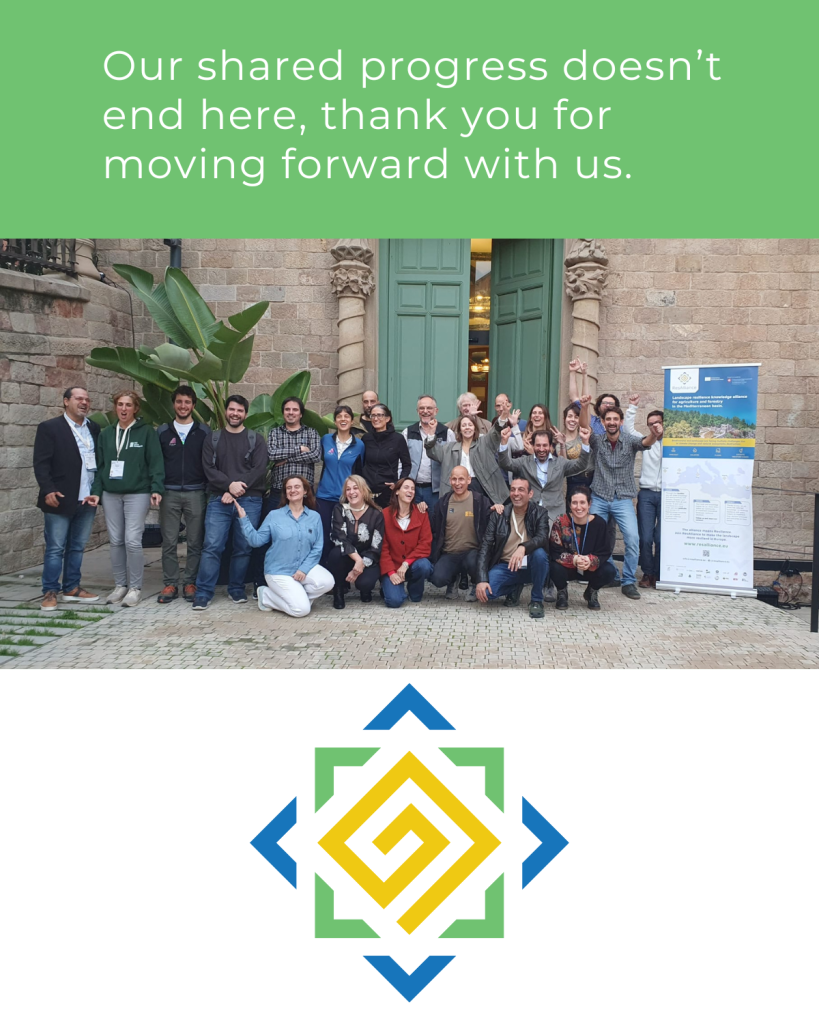
Across three years, ResAlliance has shown how collaboration, local engagement, and shared knowledge can strengthen resilience against climate-related risks such as wildfire, drought, and land degradation.
The networks, methodologies, and resources created during the project will continue to support practitioners well beyond its formal conclusion—ensuring that the solutions explored and developed together continue to shape more resilient Mediterranean landscapes.